FIREANT

Board
operations,
held in
balance.

The back office for self-managed Ontario condominium boards. Registry, arrears, compliance, documents, meetings, money — every obligation traced to its counterforce.

STATE:
BALANCED
MODULES:
11 IN TENSION
STATUS:
BETA · ONTARIO
A tensegrity column of matte carbon rods suspended in taut red cords, standing on a concrete floor under a single shaft of light
PLATE 01 — SHOWN WITH DEMONSTRATION DATA

SHEET 01 · THE LOAD

A 50-unit corporation answers to the same Act as a 500-unit tower.

Self-managed means the board carries it all: the registry, the arrears, the filings, the meetings, the vendors — on weeknights, between other jobs, on deadlines set by statute.

FireAnt holds each duty in tension with the board that answers for it. Nothing floats free. Nothing goes slack without being seen.

  • REGISTRY Owners, units, and the records the Act expects the corporation to keep — current the day you need them.
  • ARREARS The common-expense ledger with the s.85 lien clock running on every default.
  • COMPLIANCE The CAO calendar — returns, notices, and filings, each with its window.
  • CASES Email intake that turns owner messages into tracked, answerable cases.
  • DOCUMENTS Minutes, agreements, and certificates — ingested, indexed, retrievable.
  • FINANCE Bank reconciliation and invoices in integer cents that always sum.
  • MEETINGS Agendas, packets, and minutes for board meetings and the AGM.
  • VENDORS Insurance, work orders, and RFPs, with expiry dates that surface themselves.

FORCE VALUES ILLUSTRATIVE

SHEET 02 · THE LIEN CLOCK

Three months. Then the lien is gone.

When a unit defaults on common expenses, s.85 gives the corporation an automatic lien — and three months from the default to register a certificate of lien before it expires.

FireAnt runs the clock from the first default: who is behind, how much, what notice has gone out, and how many days remain on every window. The state escalates so a board can tell “prepare the notice” from “the window is closing.”

DECISION SUPPORT, NOT LEGAL ADVICE. STATUTORY DATE ARITHMETIC HAS GENUINE NUANCE — CONFIRM DEADLINES WITH COUNSEL.

IN GOOD STANDING — no arrears. The cord rests.

IN ARREARS — default recorded. The clock starts.

NOTICE PERIOD — notice sent. The window narrows.

WINDOW CLOSED — three months passed. The lien is gone.

SHEET 03 · THE RECORD

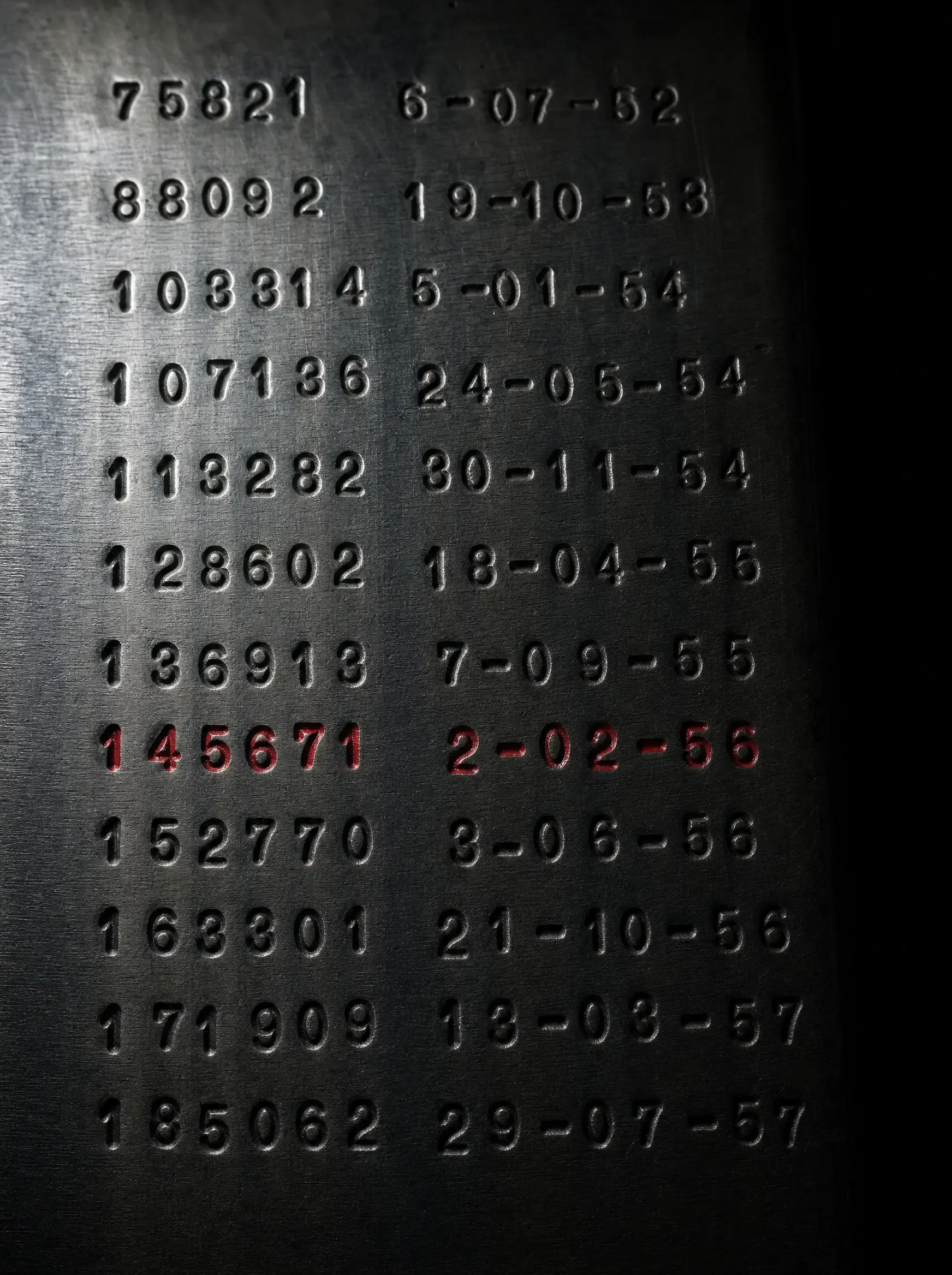
Serial numbers and dates hand-stamped into a blackened steel plate, one row filled with red enamel

Built like a structure that must not fail.

MONEY IS INTEGER CENTS.

Never floating point. Sub-cent input is refused rather than rounded away, and split allocations use largest-remainder arithmetic so the parts always sum to the total. Exactly.

DATES LIVE ON THE TORONTO CALENDAR.

Legally-weighted dates are calendar dates, not timestamps. A lien deadline cannot move because of a UTC conversion.

THE AUDIT LOG ONLY APPENDS.

Every change writes an append-only record, and the database refuses UPDATE and DELETE on it. The past stays written.

SHEET 04 · SERVICE RECORD

In service. In beta.

FireAnt runs the day-to-day operations of a 50-unit self-managed condominium corporation in Ontario — the corporation it was built inside.

Self-serve signup isn’t open. We onboard corporation by corporation, board by board, so the structure holds for each one.

Existing directors: sign in at app.fireantapp.com

FireAnt module schedule: each module and its duty
MEMBER DUTY
DASHBOARD What needs a director’s attention, and by when
REGISTRY Owners, units, and corporation records
ARREARS Common-expense ledger and the s.85 lien clock
COMPLIANCE CAO calendar, returns, and filings
CASES Owner email intake and case tracking
DOCUMENTS Document ingestion, indexing, retrieval
FINANCE Bank reconciliation in integer cents
INVOICES Bill approval and payment records
MEETINGS Agendas, packets, and minutes
VENDORS Insurance, work orders, and contacts
RFPS Tendering and vendor selection